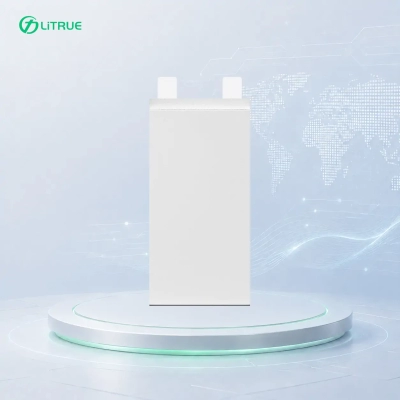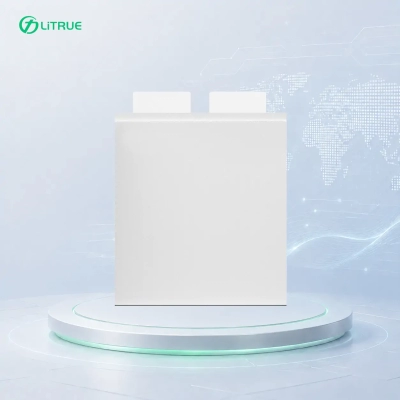
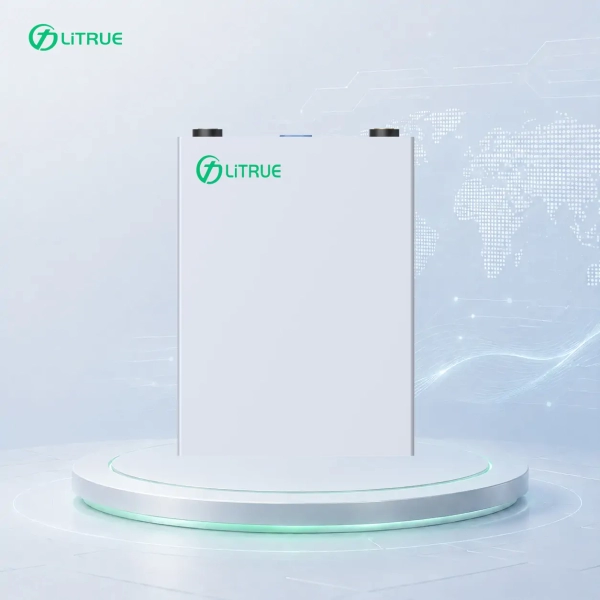
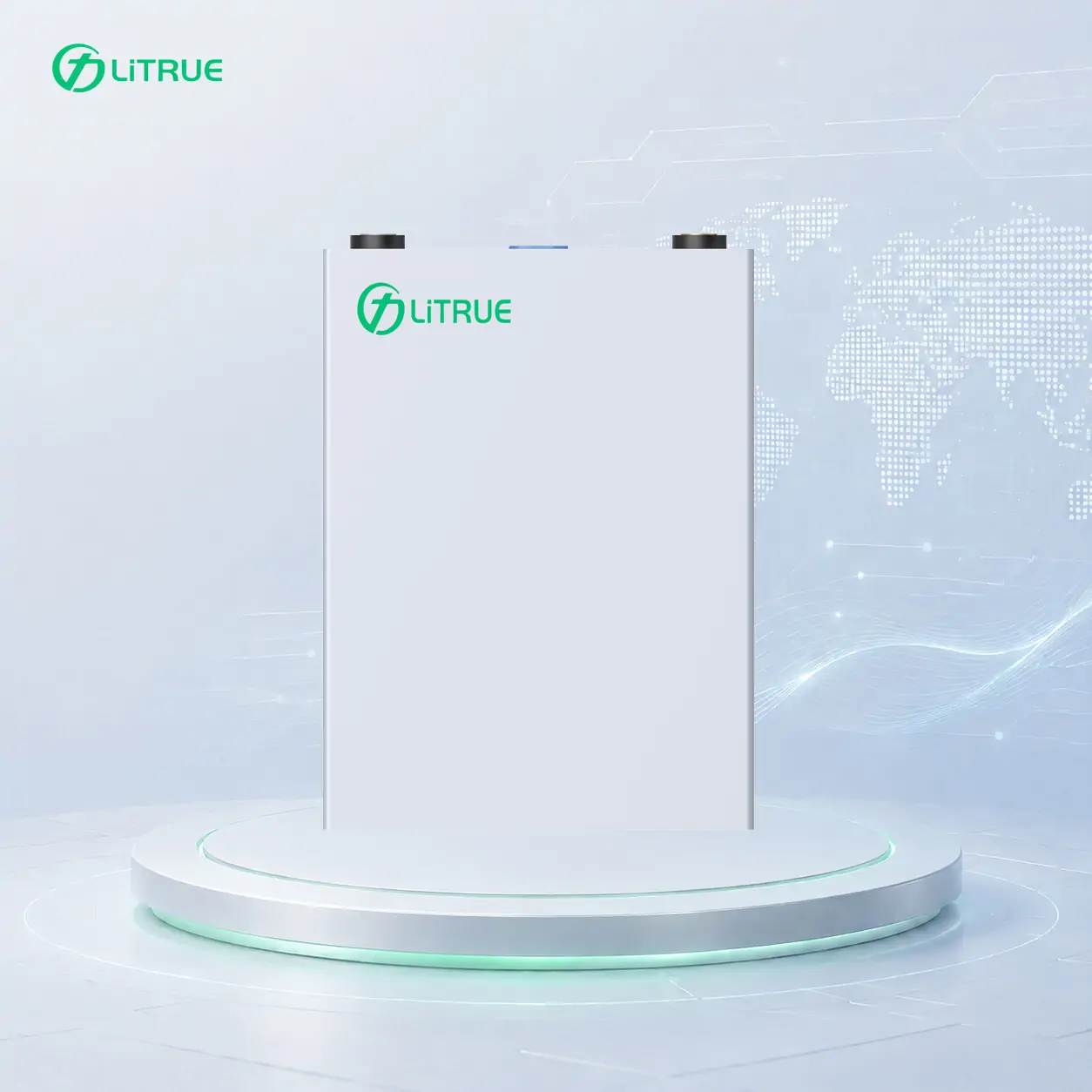
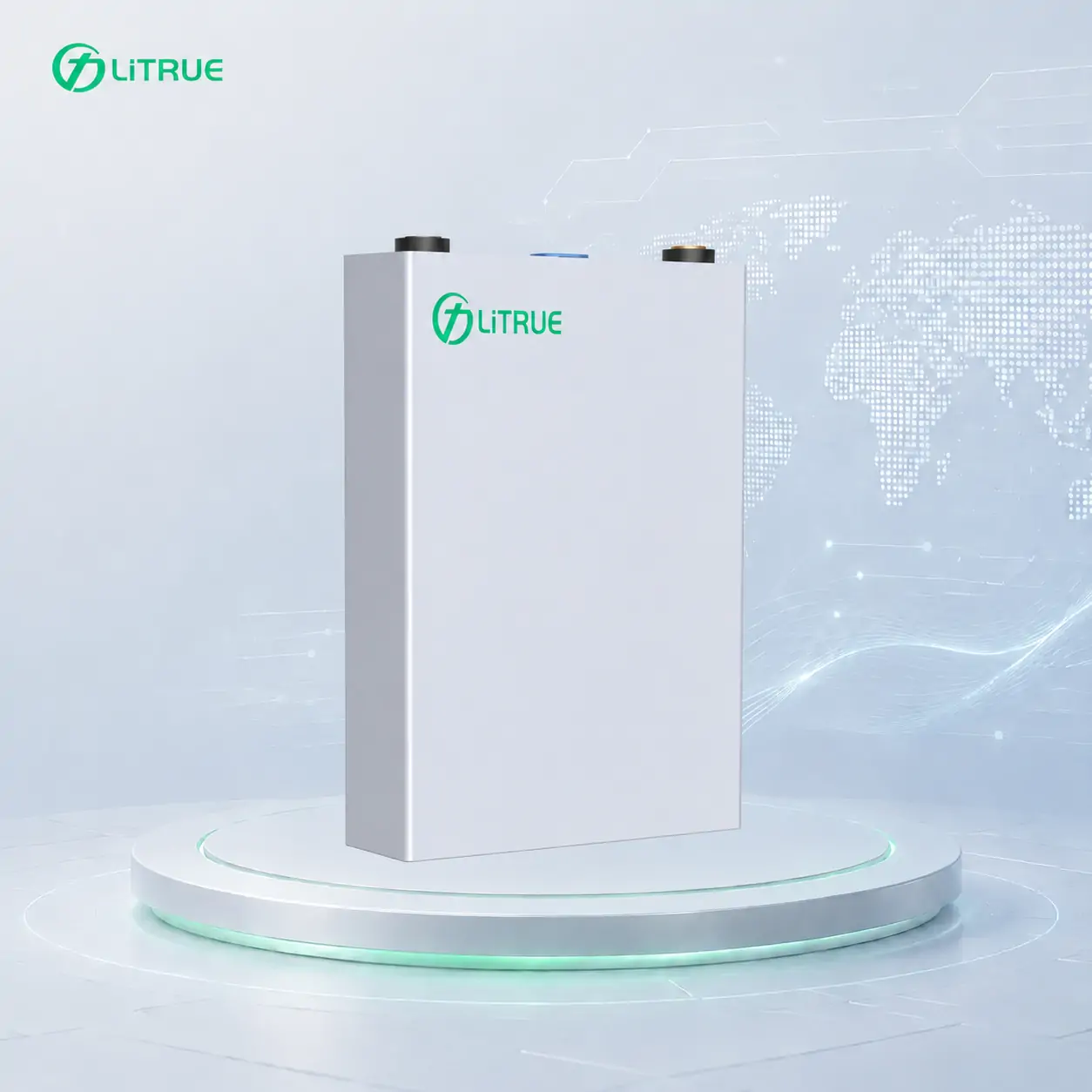
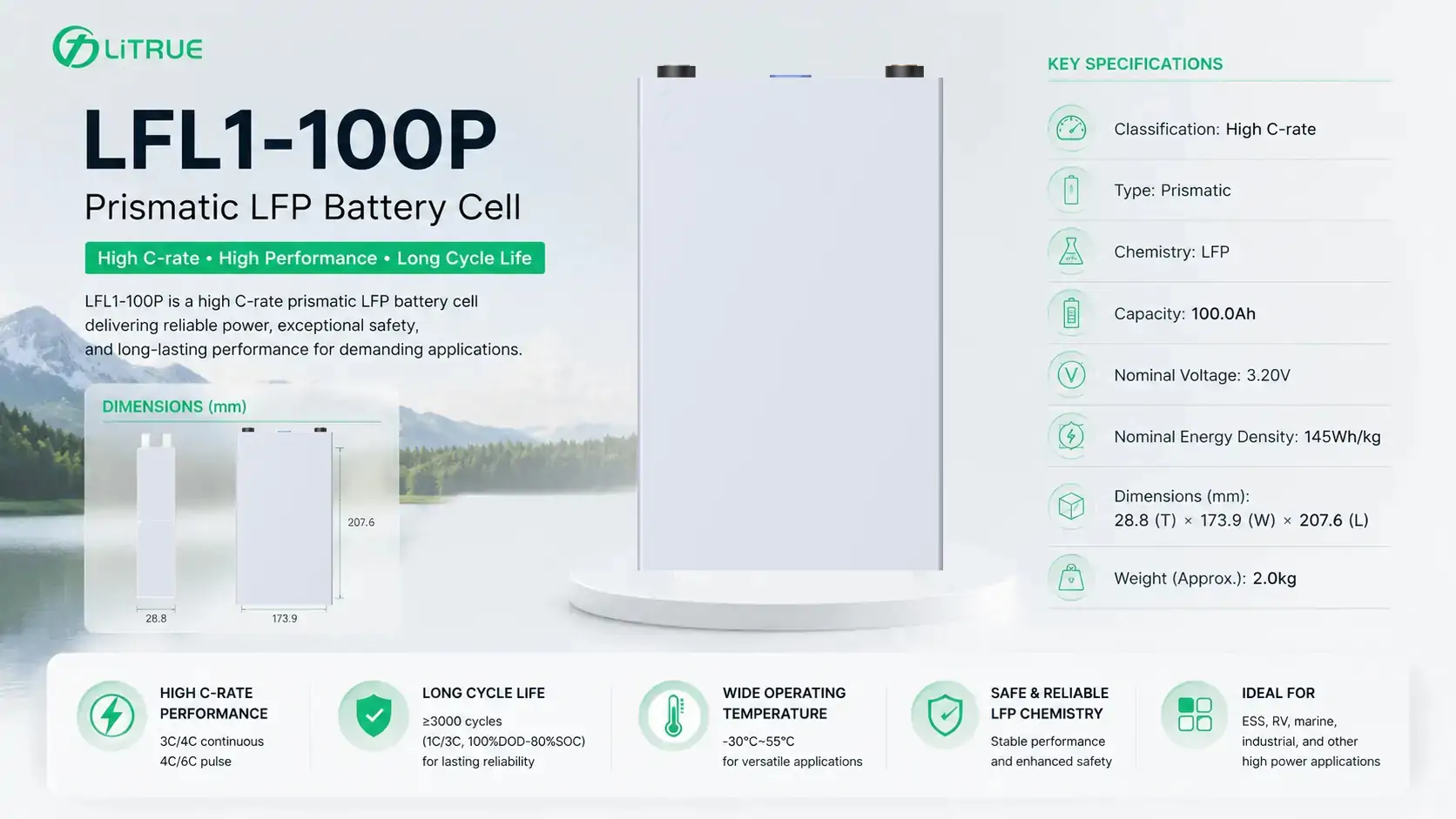
| Model Number | LFL1-100P |
|---|---|
| Classification | High C-rate |
| Chemical Materials | LFP (Lithium Iron Phosphate) |
| Cell Structure | Prismatic Can |
| Nominal Capacity (Ah) | 100.0 |
| Nominal Voltage (V) | 3.20 |
| Energy Density (Wh/kg) | 145 |
| Max. Continuous Charge Rate | 3C |
| Max. Continuous Discharge Rate | 4C |
| Max. Pulse Charge Rate | 4C |
| Max. Pulse Discharge Rate | 6C |
| Cycle Life (times) | ≥3000 @ 1C/3C |
| Operating Temperature (℃) | -30℃ ~ +55℃ |
| Dimensions (T×W×H, mm) | 28.8 × 173.9 × 207.6 |
| Sample MOQ | 10 pcs (Negotiable) |
| Sample Lead Time | 7–15 working days |
| Bulk Lead Time | 45 days (subject to volume & requirements) |
Wide Temperature Range Cell Series
LiTrue wide-temperature LFP cell series is built for packs that need stable output across cold, hot, and high-load operating conditions, with model options covering high-rate discharge, long cycle life, and different mechanical envelopes.
| Model | Dimension | Capacity | Voltage | Weight | Continuous Rate | Pulse Rate | Cycle Life | Operating Temp. |
|---|---|---|---|---|---|---|---|---|
| P10E0E5-17500FP | 9.6×140×145mm | 17.5Ah | 3.20V | 409g | 6C/10C | 15C/25C | 20000 | -43℃~55℃ |
| PC20F-T | 12.5×90×192mm | 20Ah | 3.20V | 420g | 2C/3C | 5C/10C | 5000 | -43℃~70℃ |
| PA46F-C | 12.5×161×232mm | 46Ah | 3.20V | 930g | 2C/3C | 3C/4C | 6000 | -43℃~70℃ |
| PA50F-E | 12.8×161×232mm | 50Ah | 3.20V | 960g | 2C/3C | 3C/4C | 3000 | -30℃~55℃ |
| P10B2D5-10000FP | 9.5×112×135mm | 10Ah | 3.20V | 272g | 10C/20C | 20C/50C | 15000 | -43℃~55℃ |
| PM30F-L | 8.8×182×195mm | 30Ah | 3.20V | 620g | 3C/3C | 5C/10C | 1500 | -70℃~55℃ |
| PP33F-L | 10.2×142×232mm | 33Ah | 3.20V | 668g | 2C/3C | 5C/10C | 3000 | -43℃~55℃ |
| AA20F-P | 105.2×148.3×26.7mm | 20Ah | 3.20V | 760g | 10C/75C | 20C/125C | 6000 | -43℃~55℃ |
Solution
Most 100Ah LFP prismatic cells are built for slow, steady energy cycling. They work well in storage systems, but when a vehicle, AGV, starter system, or industrial tool asks for a hard current pull, voltage sag becomes the real problem. The pack may hit cutoff before the energy is actually used.
The LFL1-100P is built for high-current work instead of gentle storage duty. At 100Ah, 4C continuous discharge equals about 400A per cell, and 6C pulse discharge equals about 600A for short load windows. It keeps the safety and long cycle-life advantages of LFP chemistry while giving pack engineers the current headroom they need.For manufacturers using prismatic cells in energy storage applications, automated battery PACK assembly line can streamline cell assembly, welding, and testing for consistent production. See LiTrue full range of high-rate battery cells for related options.
Application Areas
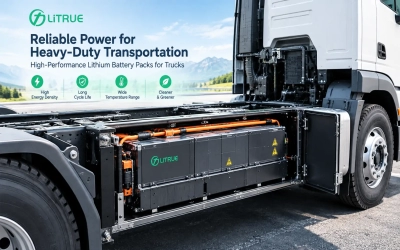
- Electric Motorcycles: 4C continuous discharge supports strong acceleration current without forcing engineers to oversize the pack only for peak load.
- AGVs and Light Traction Equipment: the 100Ah prismatic format handles repeated lift, drive, and regenerative braking cycles across a working shift.
- Hybrid Powertrains and Engine-Start Systems: the 6C pulse rating supports short, high-current cranking loads before the system returns to normal operating current.
- Industrial Power Tools: high pulse capability helps absorb motor startup and sudden load changes in heavy-duty cordless equipment.
- Custom Battery Packs: the rigid prismatic can simplifies module assembly compared with pouch formats, especially in OEM pack programs through LiTrue's custom battery pack work.
FAQs
Can the LFL1-100P really sustain 400A continuously?
Yes. 4C is the verified continuous discharge rating (equal to 400A), provided you operate within the recommended temperature window and implement adequate heat dissipation. The 600A figure is the 6C pulse rating reserved for short bursts, such as engine cranking.
What pack voltage can I build with it?
At 3.20V nominal, a 16S string lands near 51.2V and a 24S near 76.8V. We routinely configure series-parallel (S/P) arrangements to hit standard 48V, 72V, and high-voltage industrial system rails.
How does cold weather affect performance?
The cell is rated down to −30°C. While you will see some capacity and power taper at the extreme low end due to standard electrochemistry physics, it keeps delivering where many standard cells fail completely.
What is the minimum order, and can I get samples?
Sample quantities are readily available for engineering qualification. Production MOQs depend on whether you require bare cells or fully assembled, welded modules. Reach out to our team to scope your project.
Is it certified for shipping and safety?
Yes. LFP chemistry is inherently the most thermally stable lithium option on the market. Our cells are produced and tested to recognized international and GB safety standards. We provide all necessary UN38.3 test reports and transport documentation required for your market.
Ready to spec it into your design or request engineering samples? Talk to a real applications engineer at LiTrue. Reach out to your trusted lithium battery supplier today, and we will turn your duty cycle into a build sheet.