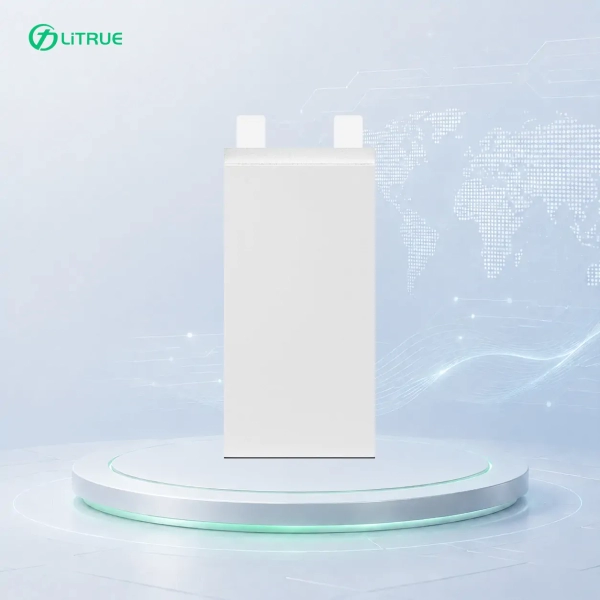
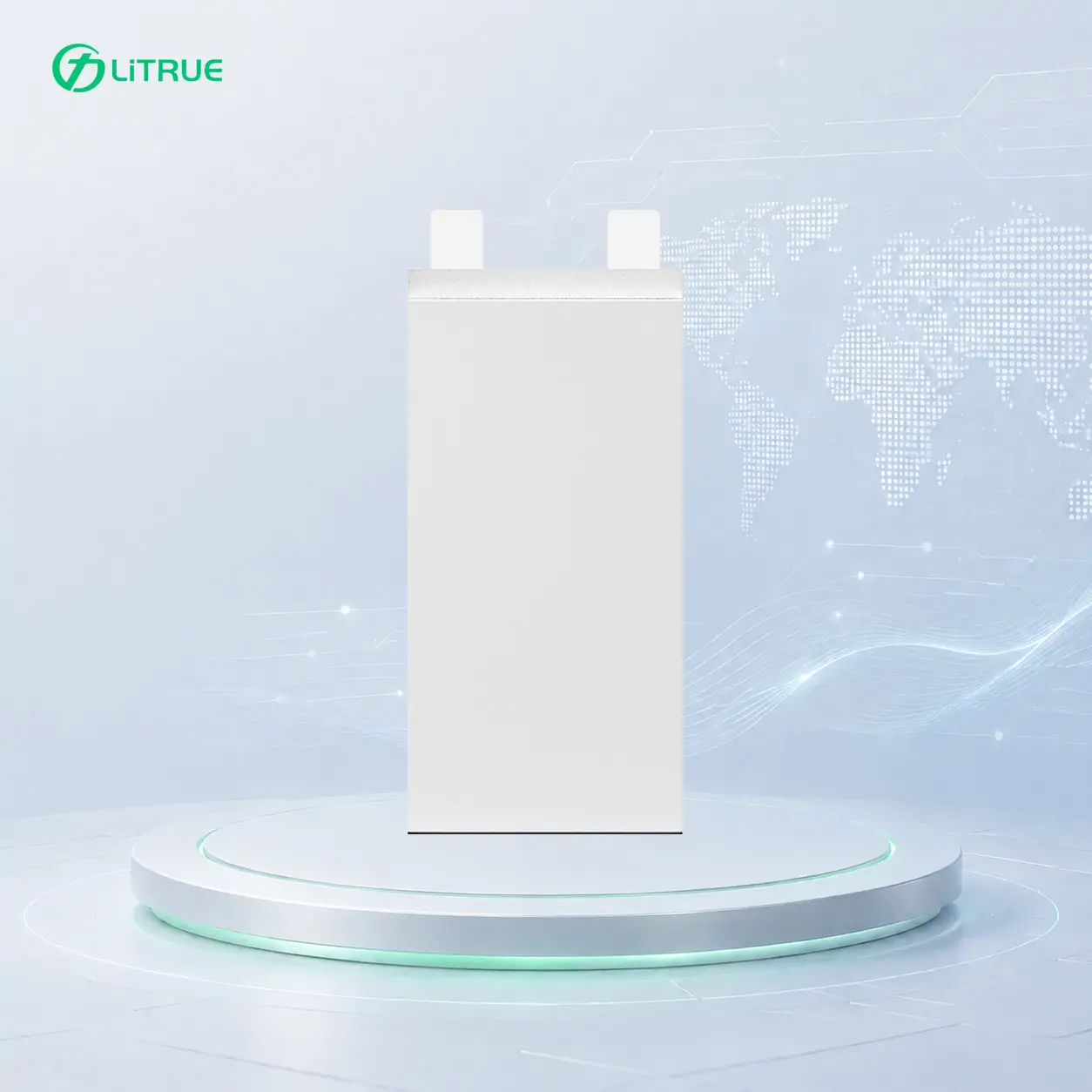
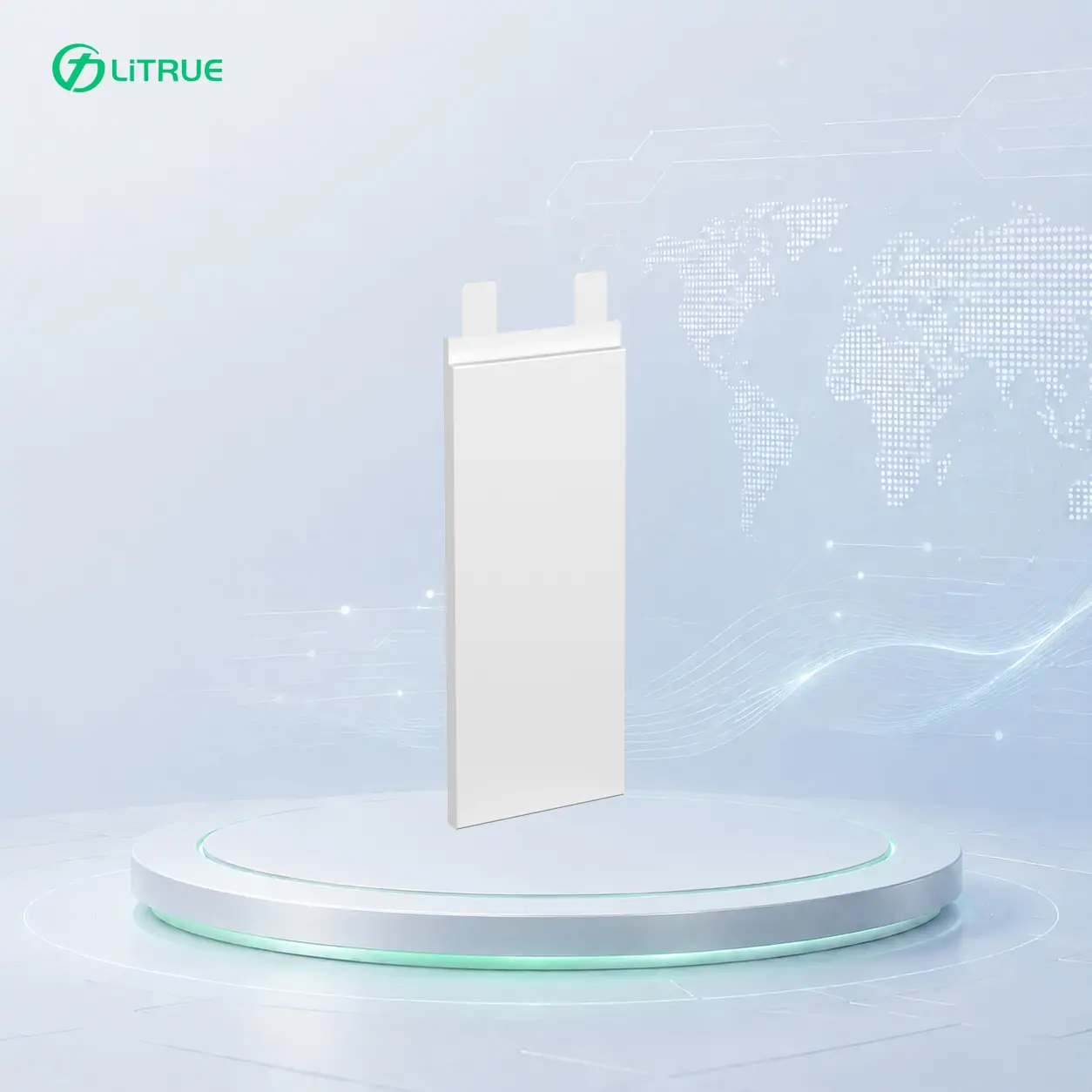
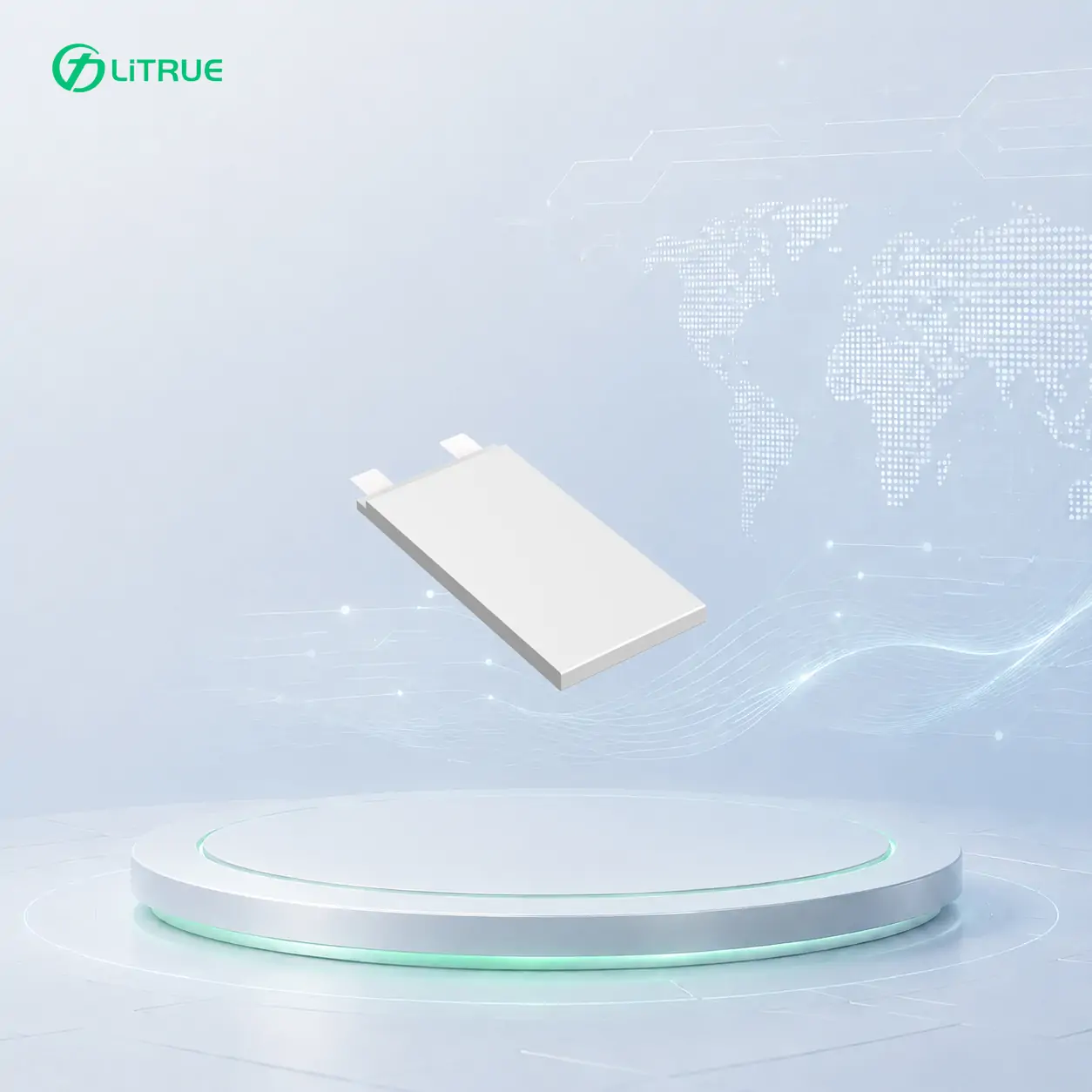
When a platform needs to pull hundreds of amps for short bursts and still survive thousands of cycles, you don't reach for a generic cell. You reach for something engineered. The PA50N-P is a high-rate NMC pouch cell that pairs a 50Ah capacity with a 226 Wh/kg energy density, and it was designed for exactly those moments when a battery has to give everything at once. Drone takeoffs. Hard acceleration. Cold mornings where lesser cells simply quit. This is the cell that keeps working.
Below is the full breakdown of what the PA50N-P offers, who it's for, and why its numbers matter once they leave the spec sheet and hit a real load.
Why High-Rate Performance Changes the Conversation
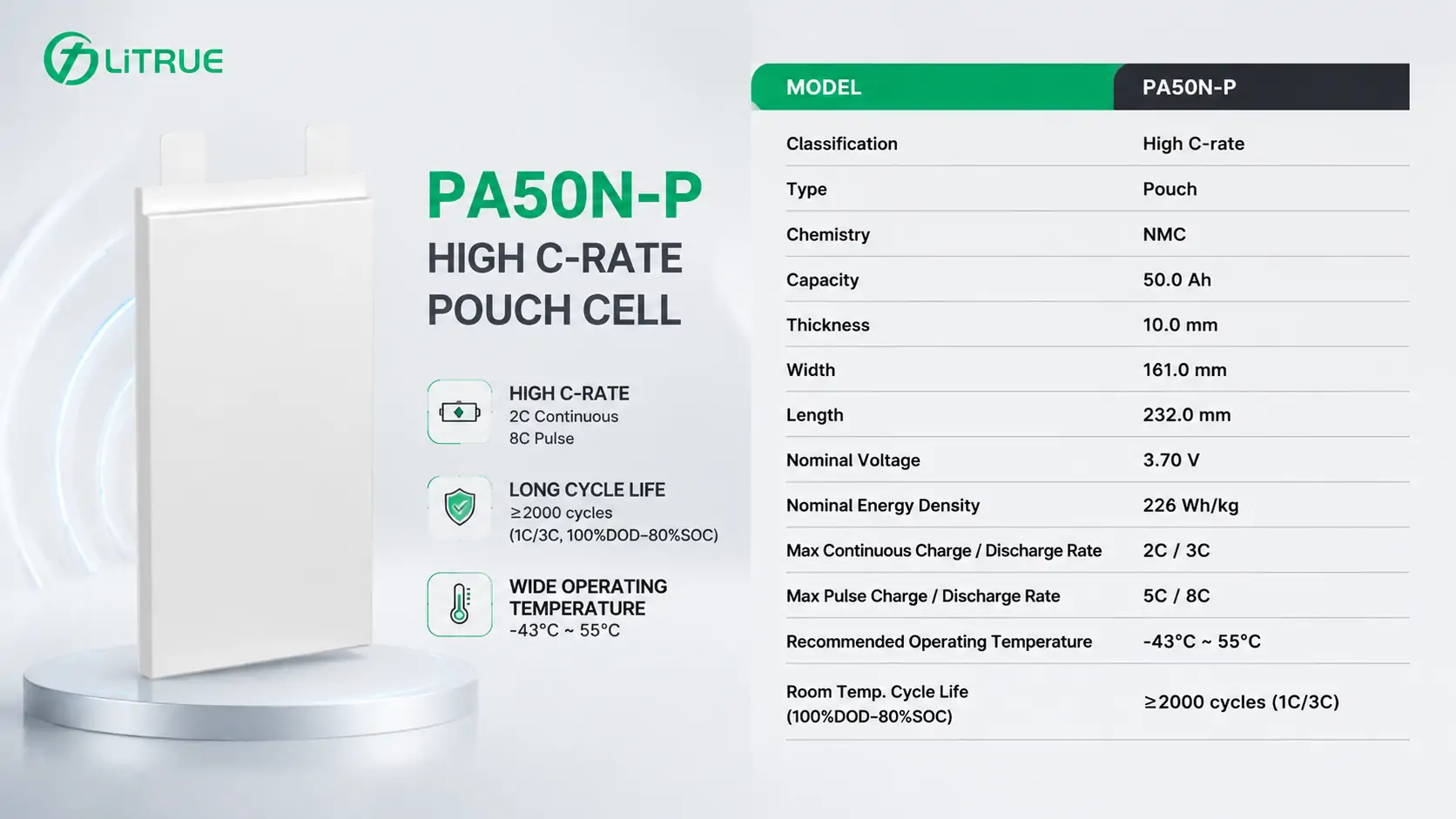
Most lithium cells are tuned for a quiet life. Slow charge, slow discharge, easy duty. The PA50N-P is not that cell. It carries a 2C continuous charge and 3C continuous discharge rating, which means a single 50Ah unit can pour out roughly 150 amps without breaking a sweat. Push it harder and it answers: pulse charging tops out at 5C, while pulse discharge reaches a striking 8C, or about 400 amps for short windows.
That headroom is the whole point. High-rate lithium cells are judged not by what they do at rest but by how gracefully they handle the spikes. A drone lifting a heavy payload, an e-motorcycle merging into traffic, a power tool biting into hardwood — these are all current spikes wearing different clothes. The PA50N-P treats them as routine.
If the term "C-rate" is new to your team, this plain-English explainer from Battery University is worth a read. The short version: C-rate describes how fast a cell charges or discharges relative to its capacity, and a higher tolerable C-rate almost always signals a more capable internal design.
Full Specifications of the PA50N-P
| Model Number | PA50N-P |
|---|---|
| Classification | High C-rate |
| Chemical Materials | NMC (Nickel Manganese Cobalt) |
| Cell Structure | Stacked Pouch Cell |
| Nominal Capacity (Ah) | 50.0 |
| Nominal Voltage (V) | 3.70 |
| Energy Density (Wh/kg) | 226 |
| Max. Continuous Charge Rate | 2C |
| Max. Continuous Discharge Rate | 3C |
| Max. Pulse Charge Rate | 5C |
| Max. Pulse Discharge Rate | 8C |
| Cycle Life (times) | ≥2000 @ 1C/3C |
| Operating Temperature (℃) | -43℃ ~ +55℃ |
| Dimensions (T×W×H, mm) | 10.0 × 161 × 232 |

Electrical and Energy Profile
The PA50N-P delivers a 50.0Ah nominal capacity at a 3.70V nominal voltage, which works out to roughly 185 watt-hours per cell. Energy density lands at 226 Wh/kg — a genuinely competitive figure for the NMC class, and a meaningful step above the lithium iron phosphate cells many integrators default to. That density gap is what lets you shave weight off an airframe or extend an e-bike's range without adding bulk.
The chemistry doing the heavy lifting here is nickel manganese cobalt oxide. NMC cathodes strike a well-known balance between energy, power, and stability, which is why they dominate aviation-grade and performance e-mobility designs. For a deeper technical look at the cathode itself, the overview of NMC chemistry on Wikipedia covers the layered-oxide structure in detail.
Mechanical Footprint
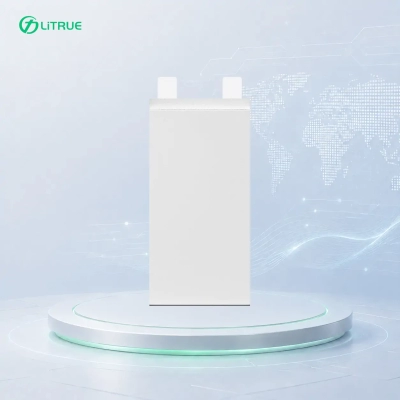
This is a pouch format cell, and it's a compact one. At 10.0mm thick, 161.0mm wide, and 232.0mm long, the PA50N-P slots neatly into stacked module designs where every millimeter counts. Pouch construction also gives integrators flexibility that hard cases can't match. You can fan cells, compress them, or shape a module around an oddly contoured chassis. For airframes and slim e-motorcycle packs, that adaptability is gold.
Rate, Temperature, and Cycle Life
Continuous charge and discharge sit at 2C and 3C respectively. Pulse ratings climb to 5C charge and 8C discharge. The recommended operating window runs from −43°C all the way to 55°C, which is genuinely wide — most cells start to struggle well before they hit either of those marks. And on durability, the PA50N-P holds up: it's rated for at least 2,000 cycles at a 1C charge / 3C discharge profile, measured from full depth of discharge down to 80% capacity retention.
Read that last line again. Two thousand cycles while routinely discharging at 3C is not a trivial claim. Plenty of cells can hit 2,000 cycles if you baby them. Far fewer can do it while being worked hard.
Where the PA50N-P Earns Its Keep
A spec sheet is abstract until you bolt it to something that moves. Here's where this cell tends to land.
Drones and Unmanned Aerial Systems
Aerial platforms live and die by power-to-weight. The combination of 226 Wh/kg and an 8C pulse rating makes the PA50N-P a natural UAV lithium battery candidate — enough stored energy for a meaningful flight envelope, plus the burst current that takeoff and aggressive maneuvers demand. Heavy-lift agricultural drones, mapping platforms, and industrial inspection craft all benefit when the pack stops being the limiting factor. We've documented several deployments like these in our published UAV lithium battery field cases.
Electric Two- and Three-Wheelers
For an E-Motorcycle battery, sustained 3C discharge translates into confident throttle response, and the cell's energy density keeps the pack light enough to preserve handling. Delivery scooters, performance e-motos, and cargo trikes that cycle hard every single day are squarely in this cell's wheelhouse. The 2,000-cycle rating under real load means fleet operators aren't replacing packs every season.
Power Tools and Industrial Equipment
High-draw cordless equipment punishes weak cells. The PA50N-P shrugs off the inrush current that comes with motor startup, and its wide temperature tolerance suits gear that gets used outdoors in conditions nobody planned for. Cold storage, rooftop work, desert job sites — the cell doesn't flinch.

The Wide-Temperature Advantage Most Cells Can't Match
Let's dwell on that −43°C figure, because it's unusual. A lot of marketing copy throws around the phrase "wide temperature," but few cells actually mean it. The PA50N-P is built to function as one of the more capable wide-temperature lithium cells on the market, holding usable output far below freezing where ordinary packs lose capacity, sag under load, or refuse to deliver current at all.
What does that buy you in practice? Predictability. A drone that launches reliably on a frigid winter survey. A scooter that starts the first time after a cold night. An industrial tool that doesn't lose half its runtime the moment temperatures drop. Cold-weather reliability isn't a luxury feature — for a lot of operators, it's the entire reason a project succeeds or stalls.
Quality, Safety, and the Cells Behind the Cell
High-rate performance only matters if it's safe and repeatable. The PA50N-P is produced under tight process control, with cell-to-cell consistency that lets integrators build large series-parallel packs without chasing mismatched units. Stable performance under sustained high current is the headline, but the unglamorous stuff — consistent impedance, tight capacity grading, clean welds — is what makes a pack trustworthy at scale.
You can explore the broader family of high-rate lithium cells we manufacture to see how the PA50N-P fits alongside our other formats and chemistries. Different platforms call for different trade-offs, and matching the cell to the mission is half the engineering battle.
Customization and OEM Partnership
Very few projects need a bare cell and nothing else. Most need a pack. As an established lithium battery manufacturer, we take the PA50N-P from individual cells to finished, BMS-integrated systems tailored to your voltage, capacity, and form-factor targets. Whether you need a tidy module for a drone bay or a high-voltage string for an industrial vehicle, the build adapts to you.
Our custom lithium battery program covers the full path: cell selection, mechanical layout, BMS specification, connector and wiring schemes, and validation testing. If you'd rather start from a proven configuration, our catalog of lithium pouch cells gives you a running start, and our team can adjust from there. For complete systems, we also assemble custom battery packs ready to drop into your platform.
OEM and wholesale buyers get more than a parts list. They get factory-direct pricing, engineering support that actually answers the phone, and documentation that survives an audit. An OEM lithium battery partnership should feel like an extension of your own team — that's the bar we hold ourselves to.

Is the PA50N-P Right for Your Project?
Ask yourself a few honest questions. Does your application draw heavy current in bursts? Does weight matter? Will the device face cold, heat, or both? Do you need a pack that lasts years, not months? If you answered yes more than once, this high-rate NMC pouch cell deserves a slot on your shortlist.
It won't be the right cell for every job — nothing is. A low-drain sensor that sips power for a decade has different needs entirely. But for platforms that demand real current, real energy density, and real cold tolerance in one package, the PA50N-P is hard to beat.
Request a Factory-Direct Quote
Ready to spec the PA50N-P into your next build, or want sample cells for bench testing before you commit? Tell us about your platform — voltage targets, current profile, environment, volume — and our engineers will recommend the right configuration. Reach out through our contact page and we'll get back to you fast, with the numbers and the support to back them up.