
Agricultural drones are not flying cameras; they are heavy-duty flying tractors. When a crop-spraying UAV takes off with a full 30-liter tank of fertilizer, the power system endures extreme stress. Choose the wrong battery, and you will face severe voltage sag, reduced flight times, overheated motors, or even mid-air power failures.
So, how do you select the exact battery model that matches your smart farming operations? As experienced lithium battery engineers at LiTrue, we evaluate agricultural drone batteries based on four strict technical criteria: Payload Weight, Discharge Rate (C-Rating), Voltage Platform, and Environmental Resilience. Here is exactly how to make the right choice.
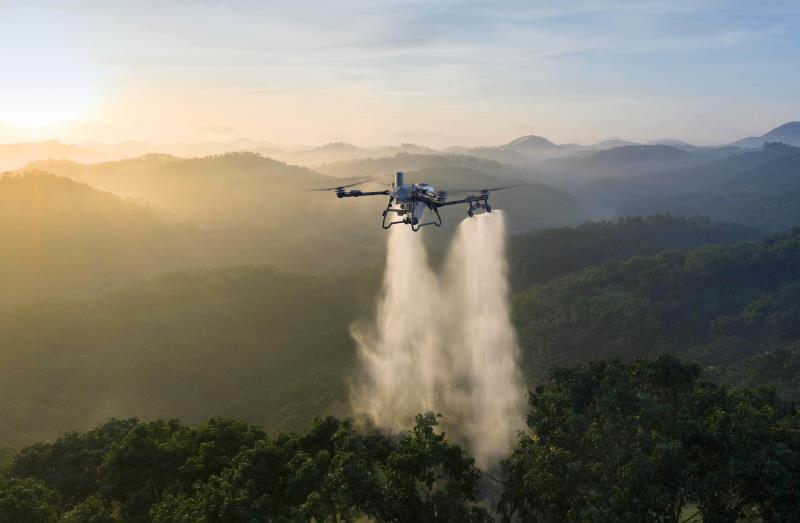
1. Match the Battery Weight to Your Specific Mission (Scouting vs. Spraying)
A common mistake fleet operators make is buying the highest-capacity battery available for every drone. However, in aviation, weight is the enemy. If your drone's primary mission is crop health mapping, multispectral imaging, or field surveying, you don't need a massive battery. A heavy battery will force the motors to work harder just to keep the aircraft aloft, actually decreasing your total flight time.
The Engineering Choice: For mapping and surveying drones where payloads are light (cameras and sensors), prioritize a high energy-to-weight ratio. We highly recommend the 51.8V 20Ah Lightweight Drone Battery (UAV-JP220M). Weighing only 6.8 kg while delivering over 1 kWh of energy, it keeps your drone nimble and extends hovering time for precise data collection.
2. Check the Peak Discharge Rate (C-Rating) for Liquid Payloads
Crop-spraying drones face a unique physical challenge: liquid sloshing. When a drone carrying 20 to 40 liters of pesticide accelerates or brakes, the shifting liquid creates massive, sudden torque demands on the motors. To prevent the drone from losing altitude, the battery must deliver huge bursts of current instantly.
If your battery’s C-rating (discharge multiplier) is too low, the sudden current draw will cause a drastic voltage drop, triggering the flight controller's low-battery alarm prematurely.
The Engineering Choice: For standard heavy-lift spraying operations, you need a battery built for aggressive discharge. Our 51.8V 28Ah Agriculture Drone Battery (UAV-JP228L) and the industrial-grade UAV-JP328L High Discharge Battery are the industry standards. Featuring premium NMC chemistry, they support up to 10C peak discharge (280 Amps), providing the raw, fade-free thrust required to stabilize a heavy liquid payload.
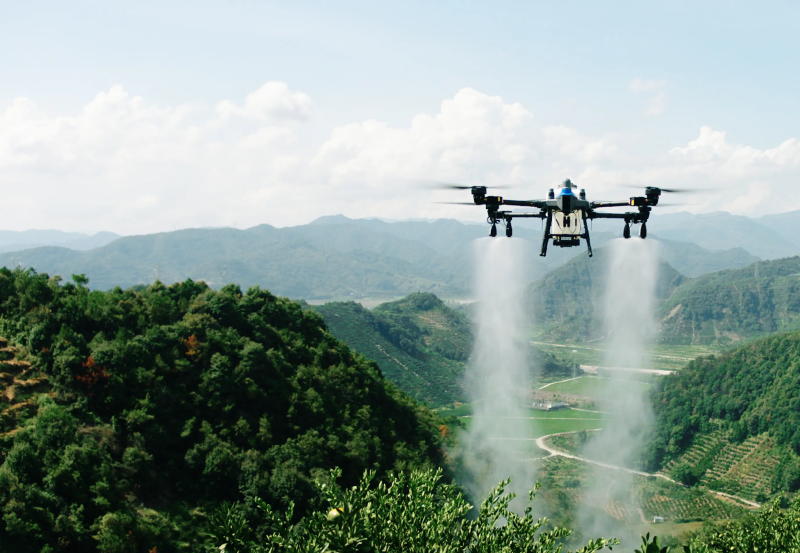
3. Consider Your Voltage Platform: 14S (51.8V) vs. 18S (66.6V)
As farms scale up, so do the drones. We are now seeing agricultural UAVs with payloads exceeding 40 liters. Pushing a standard 14S (51.8V) battery to lift these massive drones results in extremely high amperage, which generates excessive heat in the wires, connectors, and Electronic Speed Controllers (ESCs).
To solve this thermal issue, modern heavy-lift drones are transitioning to 18S (66.6V) high-voltage platforms. Higher voltage allows the system to deliver the same total power at a lower current, drastically reducing heat and improving overall electrical efficiency.
The Engineering Choice: If you are operating next-generation, ultra-heavy-lift agricultural drones, you must upgrade your power system. The 66.6V 30Ah Smart Drone Battery (UAV-JP330L) is designed exactly for this. Beyond its massive 1.998 kWh capacity, it integrates a smart CAN-bus BMS that communicates real-time battery health directly to your drone's flight controller.
4. Demand IP65 Protection and High-Temperature Tolerance
Finally, never judge an agricultural battery solely on its bench-test numbers. Real-world farming environments are brutal. Batteries are exposed to morning dew, fine dust, corrosive chemical fertilizers, and punishing mid-day summer heat (+40°C and above).
Standard PVC-wrapped batteries will quickly corrode or swell under these conditions. When choosing a model, verify that it has a rugged, hard-case enclosure with an IP65 protection rating (dust-tight and protected against water jets). Furthermore, ensure the manufacturer specifies a safe discharging temperature of up to +60°C to prevent thermal shutdowns during peak summer spraying seasons.
Don't Compromise on the Power Core
Choosing the right battery model for an agricultural drone is a direct investment in your operational efficiency and aircraft safety. By carefully matching the battery's weight, discharge rate, voltage platform, and IP rating to your specific farming mission, you can eliminate downtime and maximize your acreage covered per day.
